An Attorney Guide to Navigating Assisted Living Facility Misuse Insurance Claims Efficiently
Handling assisted living home abuse claims needs an extensive understanding of different abuse types and the legal landscape bordering them. Attorneys must be proficient at determining indications of misuse and event important evidence to support their cases. Efficient advocacy for targets' legal rights is necessary in seeking payment. However, numerous intricacies develop throughout the litigation procedure. Understanding these ins and outs can make a substantial difference in achieving justice for sufferers. What vital techniques should lawyers consider next?
Understanding the Kinds of Nursing Home Abuse
Comprehending the sorts of retirement home misuse is essential for determining and resolving the persecution of vulnerable homeowners. Nursing home abuse can show up in various types, each posturing significant risks to the wellness of senior individuals. Physical abuse includes the usage of pressure that results in bodily damage, while emotional misuse includes spoken attacks, hazards, and intimidation focused on lessening a resident's self-respect.
Overlook, an additional prevalent form, happens when caretakers fail to supply needed treatment, leading to damage in health and lifestyle. Financial exploitation includes the unapproved use a homeowner's funds or property, often leaving them in precarious economic circumstances.
Sexual assault is a critical worry, including any non-consensual sexual contact. Recognizing these types enables supporters and households to much better respond and recognize to the numerous types of mistreatment that can occur within retirement home settings, ensuring that residents get the treatment and respect they should have.
Determining Indicators and Signs And Symptoms of Abuse
Recognizing signs and signs of retirement home abuse is crucial for the defense of homeowners. Physical indications, such as inexplicable injuries, can act as red flags, while behavioral changes may signify psychological or emotional distress. Identifying these indicators enables timely intervention and the prevention of further harm.
Physical Indicators of Misuse
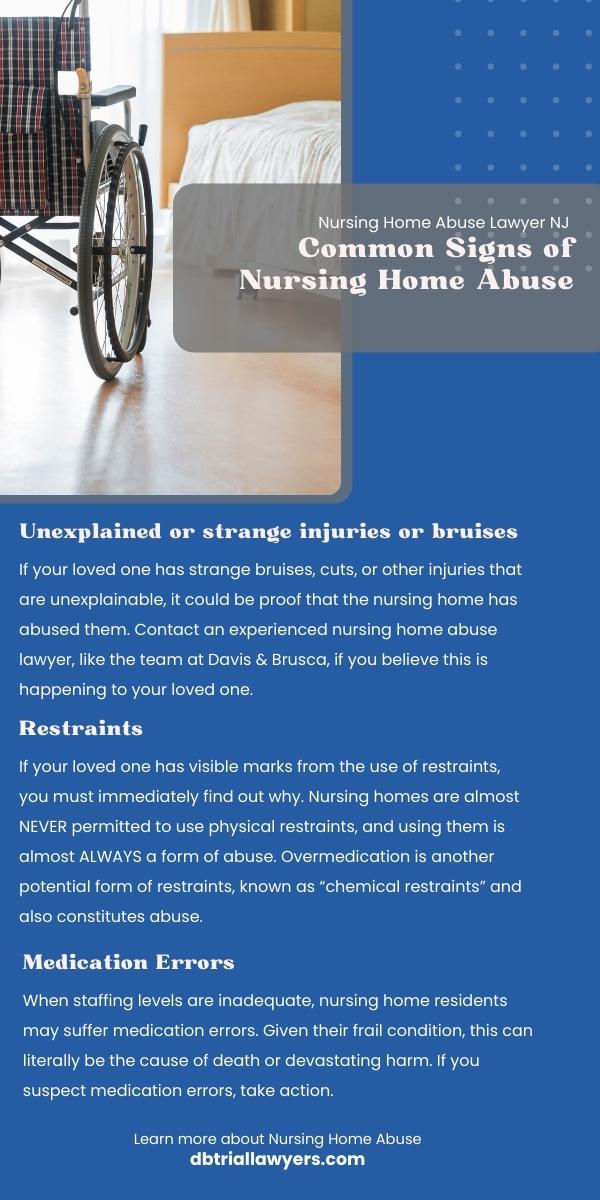
Physical indications of abuse can show up in various forms, usually functioning as essential evidence in assisted living home misuse cases. Typical signs include unexplained injuries such as burns, cracks, or bruises, which may suggest physical mistreatment. Malnutrition and dehydration can also show disregard, shown by significant fat burning or inadequate health. Furthermore, the visibility of neglected medical conditions might indicate poor treatment. Citizens may reveal indicators of being limited, such as marks on wrists or ankle joints. It is very important to record these physical indications meticulously, as they can substantiate insurance claims of abuse or overlook. Observing and taping these signs can assist lawful specialists in developing a strong instance for damaged people and their households.
Behavioral Changes in Locals
Typically, homeowners in assisted living home exhibit significant behavior adjustments that can be a measure of abuse or forget. These changes might consist of unexpected withdrawal from social communications, enhanced anxiousness, or a decrease in overall state of mind. Citizens may end up being fearful or perturbed, especially around particular staff participants. Changes in resting patterns, such as insomnia or extreme sleeping, can likewise signal distress. Additionally, a previously outbound resident may end up being sullen or uncharacteristically peaceful, avoiding tasks they as soon as appreciated. It is important for caretakers and relative to continue to be alert and identify these indicators, as they can indicate underlying issues that need prompt focus. Determining these behavioral shifts early can result in prompt treatment and support for the affected homeowner.
Legal Framework Surrounding Assisted Living Home Misuse Cases
Comprehending the legal framework surrounding assisted living facility abuse insurance claims is essential for efficient campaigning for. This framework includes various kinds of misuse, pertinent laws and laws, and an overview of the legal procedures included. By taking a look at these parts, one can better navigate the complexities of looking for justice for targets of nursing home misuse.
Sorts Of Retirement Home Abuse
While numerous may link assisted living home abuse only with physical damage, the fact is that it includes an array of dangerous habits, each with unique lawful ramifications. Physical abuse consists of striking, slapping, or limiting locals, leading to noticeable injuries. Emotional or emotional abuse involves scare tactics, overlook, or humiliation, which can substantially impact a resident's psychological wellness. When caregivers abuse or steal a homeowner's assets or benefits, Financial exploitation happens. Additionally, sexual assault is a grave worry that can manifest in different kinds of unwanted sexual call. Eventually, overlook, usually one of the most refined kind, entails stopping working to meet a local's standard needs, such as hygiene, nourishment, and clinical care. Recognizing these types aids in mounting efficient lawful insurance claims against assisted living home facilities.
Relevant Legislations and Rules
Although taking care of home abuse claims can differ significantly by territory, they are primarily controlled by a combination of federal and state regulations developed to secure the rights of prone homeowners. The Federal Retirement Home Reform Act develops minimal care requirements, mandating that centers give homeowners with a risk-free setting and appropriate care. Additionally, state legislations might enforce more stringent regulations, covering elements such as staffing ratios and coverage needs. Legal solutions typically include accident cases, older misuse laws, and neglect insurance claims. Moreover, the Americans with Disabilities Act ensures that individuals with disabilities receive ideal care without discrimination. Recognizing this lawful framework is crucial for attorneys dealing with nursing home abuse claims, as it notifies their strategy to shielding their customers' rights.
Legal Process Overview
The legal process bordering assisted living home abuse asserts entails numerous crucial steps that lawyers should navigate to properly advocate for their clients. At first, attorneys need to carry out a detailed examination, collecting proof such as medical records, pictures, and witness declarations to corroborate claims. As soon as enough proof is put together, attorneys usually submit a grievance in the ideal court, outlining the claims versus the retirement home and seeking problems. Following this, the discovery stage begins, enabling both events to exchange details. If the situation does not work out with settlement, it may proceed to test, where lawyers provide their debates prior to a court or court. Eventually, understanding this lawful structure is vital for lawyers intending to secure justice for their clients.
Gathering Evidence to Support Your Case
To develop a solid nursing home abuse case, collecting evidence is crucial, as it forms the structure of the case. Attorneys should gather various sorts of proof, including medical records, photos of injuries, and witness declarations. Medical records can provide important documents of any mental or physical injury experienced by the target. Pictures can visually validate insurance claims of abuse or forget, while eyewitness accounts can help establish patterns of actions or particular cases.
Additionally, obtaining the facility's internal documents, such as incident reports and staff logs, can better sustain the instance. It is necessary for attorneys to approach this process methodically, guaranteeing that all evidence is documented and preserved. Engaging experts in elder treatment or retirement home practices might likewise lend reputation to the cases (Nursing Home Abuse). By diligently organizing and collecting proof, lawful representatives can boost the likelihood of an effective end result in retirement home abuse insurance claims
Supporting for Targets' Civil Liberties and Settlement
While steering the complexities of nursing home abuse cases, promoting for sufferers' civil liberties and securing appropriate compensation becomes essential. Lawful agents play a considerable role in making sure that sufferers and their families understand their civil liberties and the readily available opportunities for seeking justice. This advocacy includes enlightening clients concerning the signs of misuse, the relevance of documents, and the capacity for economic restitution.
Victims commonly face physical, psychological, and monetary hardships as a result of abuse, making it necessary for attorneys to pursue settlement that shows these damages. This more helpful hints might include bargaining with insurance firms or seeking compensatory damages that hinder future transgression.
Browsing the Litigation Refine in Retirement Home Abuse Situations
How does one effectively browse the intricate lawsuits procedure in assisted living home misuse situations? It is crucial to gather detailed evidence, consisting of clinical documents, eyewitness accounts, and any documentation of previous problems. This fundamental step strengthens the case and offers a clear story of the claimed abuse. Next, attorneys must ensure compliance with appropriate state regulations and guidelines, as the legal landscape varies markedly by jurisdiction.
Filing an issue requires cautious focus to detail and timeliness, as laws of constraints can restrict the ability to go after insurance claims. When the situation continues, discovery comes to be vital; both celebrations exchange information that might sustain or protect versus the claims. Negotiation methods, arbitration, or trial preparation must be used, depending on the case's trajectory. Throughout this procedure, lawyers need to keep open interaction with customers, assuring they are notified and supported throughout this difficult journey.
Frequently Asked Inquiries
Just how Long Do I Have to Submit a Nursing Home Misuse Case?
Typically, people have one to 3 years to file an assisted living home misuse insurance claim, relying on state laws. It's necessary to seek advice from with a legal professional to assure compliance with specific due dates and demands.
Can Family Members File Claims in support of the Victim?
Member of the family can submit insurance claims in behalf of nursing home abuse targets, especially if the sufferer is disarmed or incapable to advocate for themselves. Lawful depiction is typically recommended to navigate the intricacies of such cases.
What Are the Prospective Outcomes of a Nursing Home Abuse Legal Action?
Possible results of a nursing home abuse suit consist of financial compensation for problems, changes in facility methods, enhanced oversight, and possibly criminal charges versus wrongdoers, all targeted at making certain sufferer justice and protecting against future misuse.
Just how Much Does It Cost to Hire a Lawyer for These Situations?
Employing a legal representative for assisted living home abuse instances commonly entails contingency charges, ranging from 25% to 40% of the negotiation. Additional expenses may include court fees and experienced witness expenses, differing based upon the situation intricacy.
What if the Retirement Home Refutes the Claims of Abuse?
If a nursing home refutes abuse allegations, the complaintant may need to collect extra evidence, seek lawful counsel, and possibly go after mediation or lawsuits to solve the dispute and investigate this site seek justice for the impacted person. Nursing Home Abuse.
Handling nursing home misuse declares needs a thorough understanding of various abuse types and the lawful landscape bordering them. Physical indications of misuse can show up in numerous forms, commonly offering as essential proof in nursing home misuse claims. Recognizing the lawful structure bordering nursing home misuse claims is vital for efficient campaigning for. The lawful procedure surrounding nursing home misuse declares includes a number of essential actions that lawyers need to browse to successfully support for their customers. To build a strong nursing home abuse case, collecting proof is necessary, as it forms the structure of the situation.